ISU Graduate Receives NSTC Research Creation Award for Innovative Work on Low-Cost Organic Solar Cells

July 21, 2026

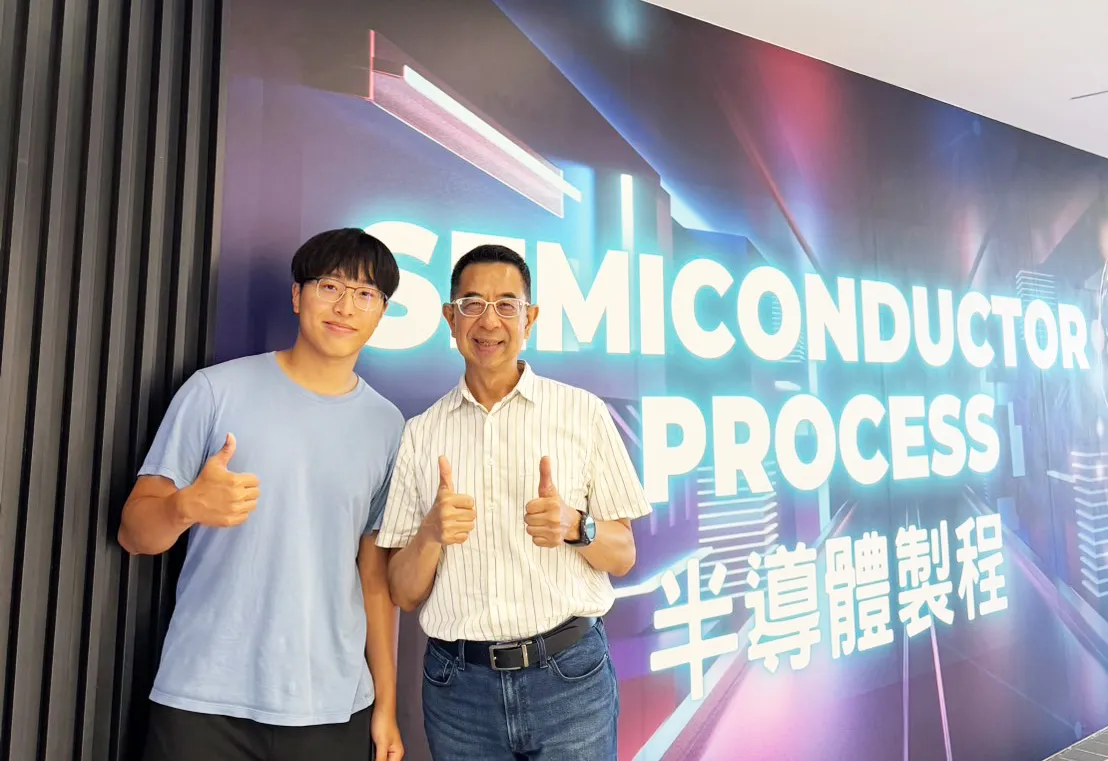
Mango and kiwi juices are everyday beverages, but their organic components may also offer possibilities for developing greener energy technologies. Wei-Cheng Huang, a 2026 graduate of the Department of Electronic Engineering at I-Shou University (ISU), has received the Research Creation Award under the 2025 College Student Research Project Program of the National Science and Technology Council (NSTC). Under the guidance of Professor Yen-Sheng Lin, Huang conducted research on dye-sensitized solar cells (DSSCs), exploring environmentally friendly working electrode materials as a way to reduce manufacturing costs and minimize the use of hazardous substances. His achievement highlights the opportunities available to undergraduate students to engage in scientific research and energy innovation.
From Undergraduate Learning to Independent Research

Huang began working with Professor Lin shortly after entering the Department of Electronic Engineering and continued his research throughout his undergraduate studies. With guidance from his advisor, he gradually developed research skills through discussions of research topics, literature review, experimental design, and hands-on experimentation.

After exploring different research directions, Huang focused on solar cell technology. While crystalline silicon solar cells remain one of the most widely used photovoltaic technologies, their manufacturing processes may involve relatively expensive materials and resource-intensive processing. Seeking more cost-effective and environmentally friendly alternatives, Huang and his research team turned their attention to organic materials and explored ways to optimize the working electrode through semiconductor processing techniques.

After discussions with Professor Lin, the team selected dye-sensitized solar cells (DSSCs) as their research platform. They investigated how key process parameters—including intermittent processing time, the number of processing cycles, and thermal treatment—affected device performance, with the goal of improving the photovoltaic conversion efficiency of DSSCs.

The optimized devices achieved a fivefold increase in photoelectric conversion efficiency compared with the initial devices. The team plans to continue refining the technology toward DSSCs that offer lower costs, higher efficiency, and more environmentally friendly manufacturing processes.

Huang said that one of the biggest challenges in the research process was that experimental results often differed from expectations. The team had to repeatedly review the materials, adjust processing conditions, and conduct further testing. Many experiments did not succeed on the first attempt; instead, the team gradually identified problems and accumulated experience through repeated trials.

During his research, Huang also participated in cross-university academic collaboration, exchanging ideas with faculty and researchers from other institutions. These experiences broadened his research perspective and provided opportunities to learn from different approaches to scientific inquiry.

Turning University Resources into Research Experience

Reflecting on his decision to study at ISU, Huang said that he had aspired to become an engineer since high school. After exploring different universities, he was attracted to ISU’s strengths in engineering education and its comprehensive resources, and chose to study electronic engineering.

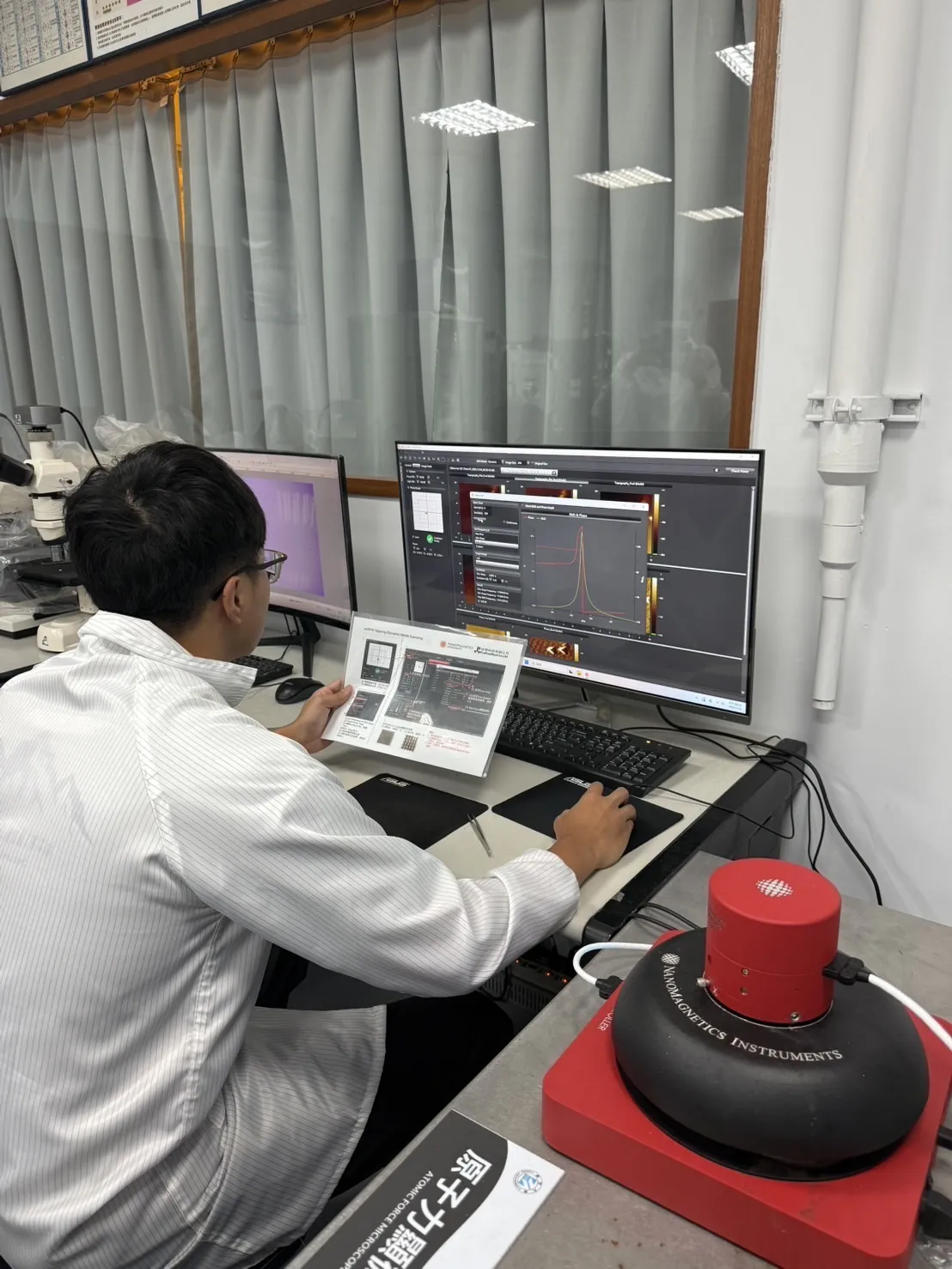
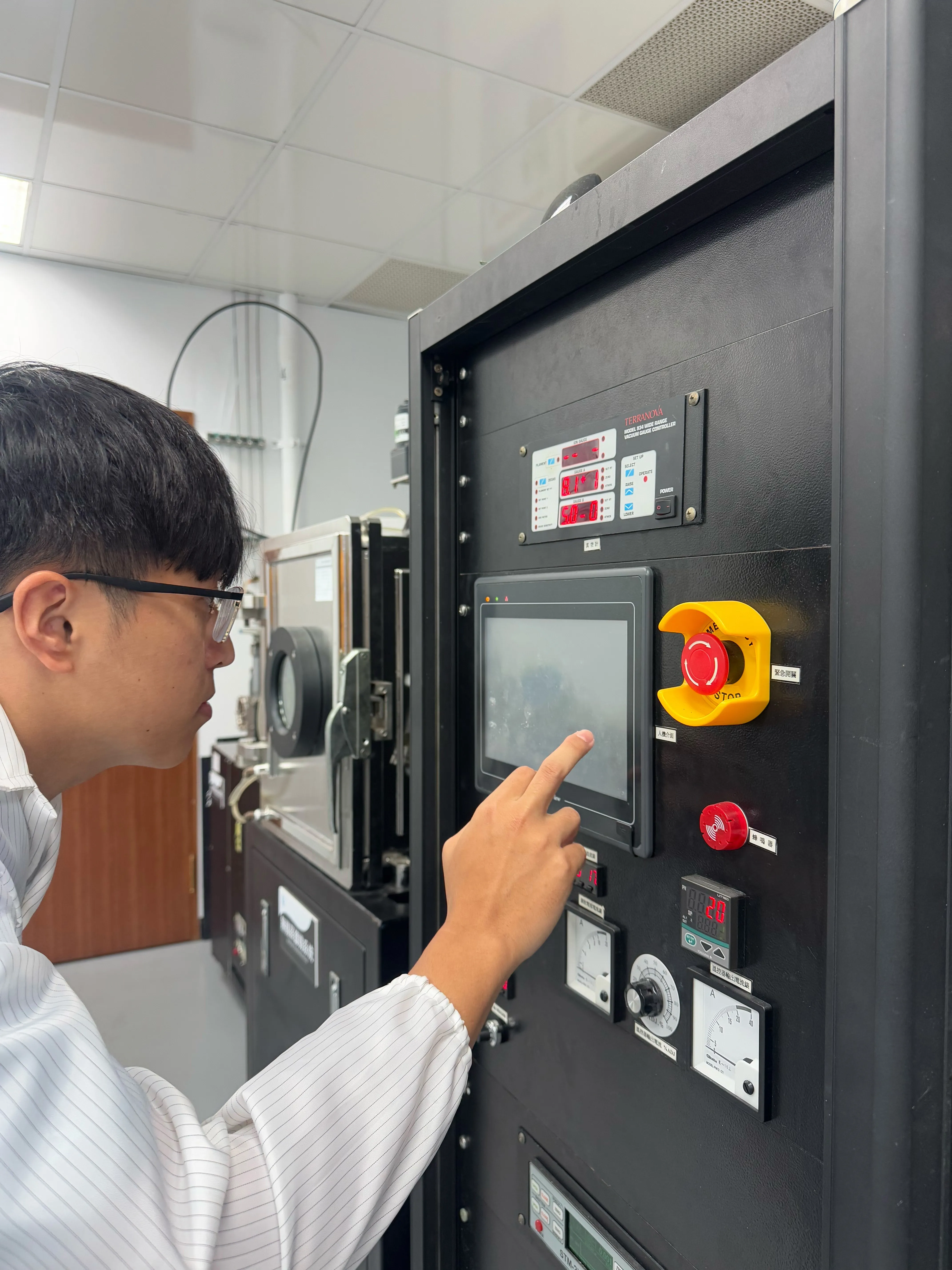
Beyond classroom learning, Huang actively made use of ISU’s research facilities, including the Center for Instrumentation, semiconductor process simulation and hands-on training facilities, and the Green Energy Practice Center. The availability of specialized equipment and laboratory facilities provided the practical environment needed for his solar cell research, allowing him to apply knowledge gained in the classroom to hands-on research.

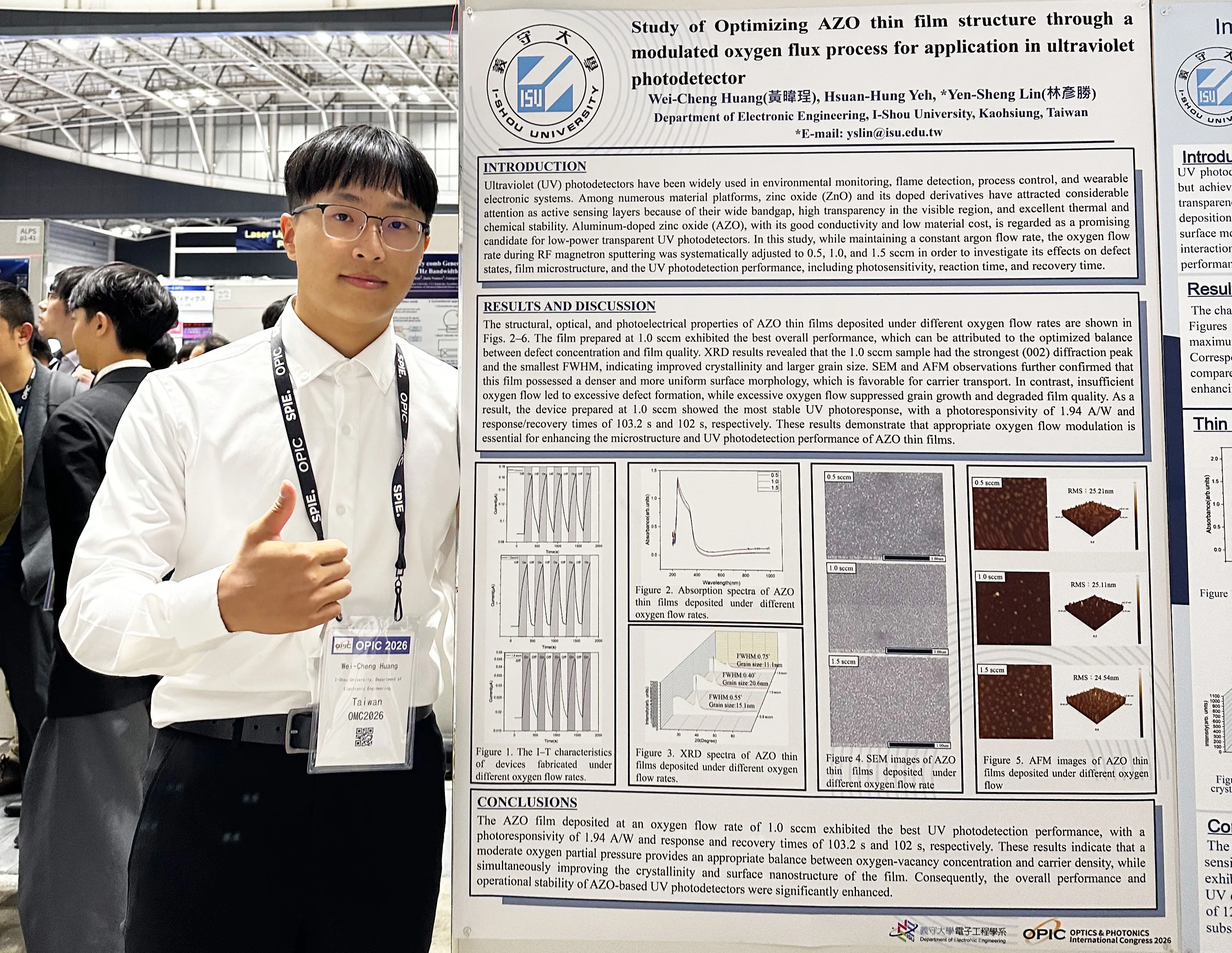
Professor Yen-Sheng Lin said that ISU provides students with well-equipped learning and research environments, while Huang himself demonstrated a high level of initiative throughout his undergraduate studies. Beginning in his freshman year, Huang participated in research projects and academic conferences and actively discussed research questions with his advisor.

Professor Lin emphasized that research rarely proceeds successfully at every stage. What matters is the willingness to continue looking for solutions when problems arise. When Huang encountered experimental challenges, he repeatedly tested different approaches, analyzed the reasons behind unsuccessful results, and refined his methods. His persistence and willingness to learn from mistakes were important factors in completing the research project and receiving recognition from the NSTC.

Preparing Students for Research and Innovation

I-Shou University continues to strengthen its teaching and research resources in areas including engineering, semiconductor technology, green energy, and intelligent technology. The University encourages students to move beyond classroom learning and participate in research projects, competitions, and cross-university collaboration, providing opportunities to develop problem-solving, research, and hands-on innovation skills.

For Huang, receiving the NSTC Research Creation Award represents not only recognition of his research achievement but also an important milestone in his four-year university journey.

In September 2026, Huang will begin graduate studies in the Department of Photonics at National Sun Yat-sen University, where he plans to continue exploring optoelectronics and energy-related technologies. Although graduate study will bring new research areas and more advanced academic challenges, Huang believes that the professional knowledge, research experience, and problem-solving skills he developed at ISU will provide a strong foundation for his continued exploration of photonics and energy technology.

From his first experience with undergraduate research to exploring the potential of organic materials for lower-cost solar cells, Huang has developed his research direction through continuous learning and experimentation. He plans to continue pursuing research in photonics and green energy, with the goal of developing energy technologies that are both more cost-effective and environmentally sustainable.